
Fewer than 5% of organizations track AI use by gender. Yet 90% are already training their people on it. That gap needs closing — fast. And the work has already begun.
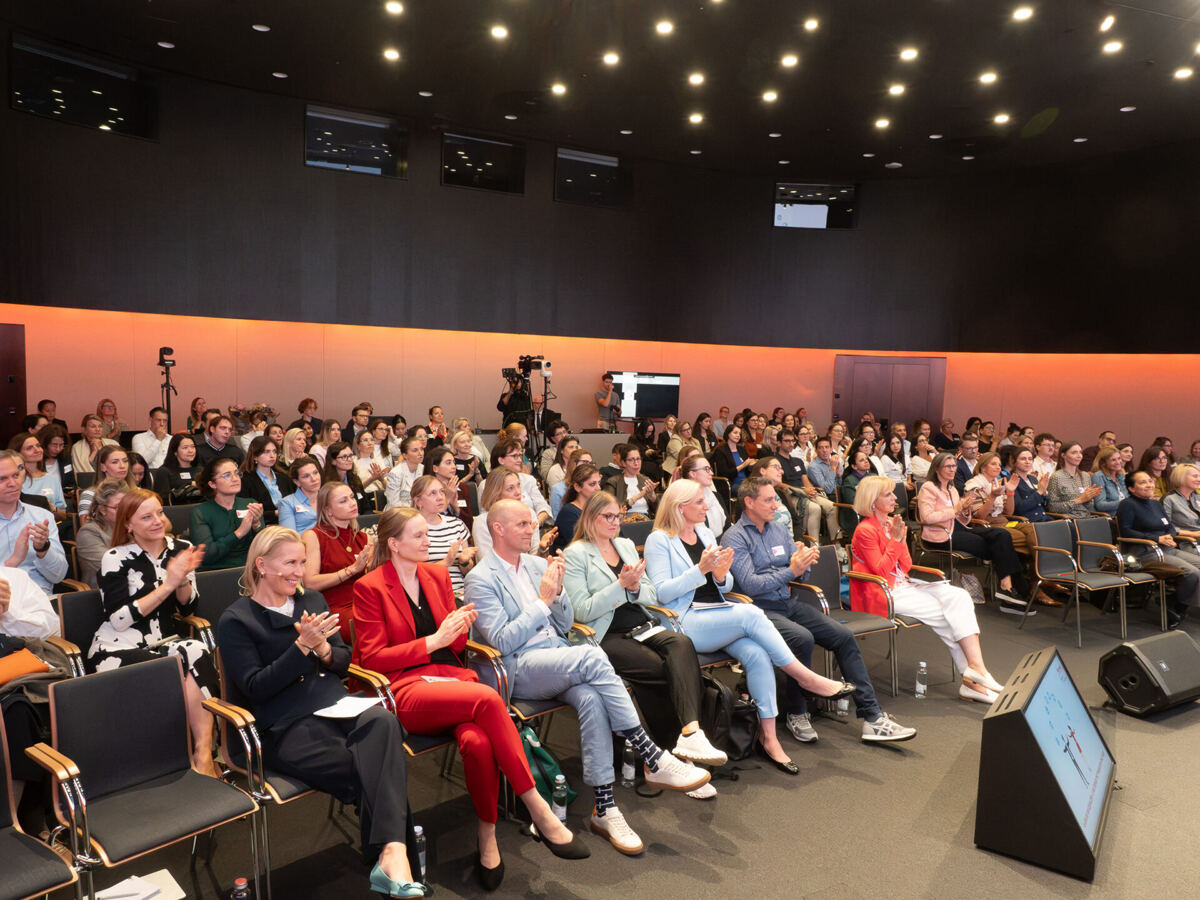
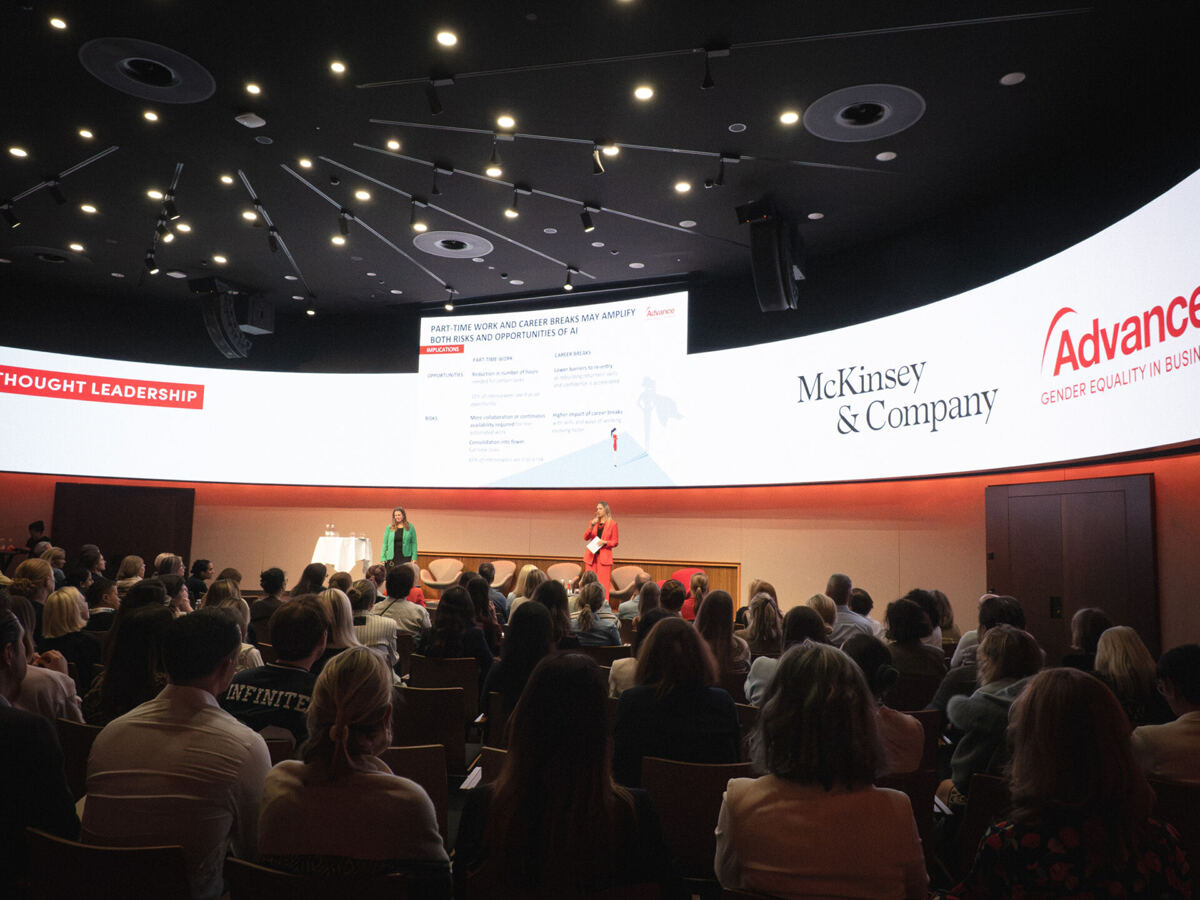
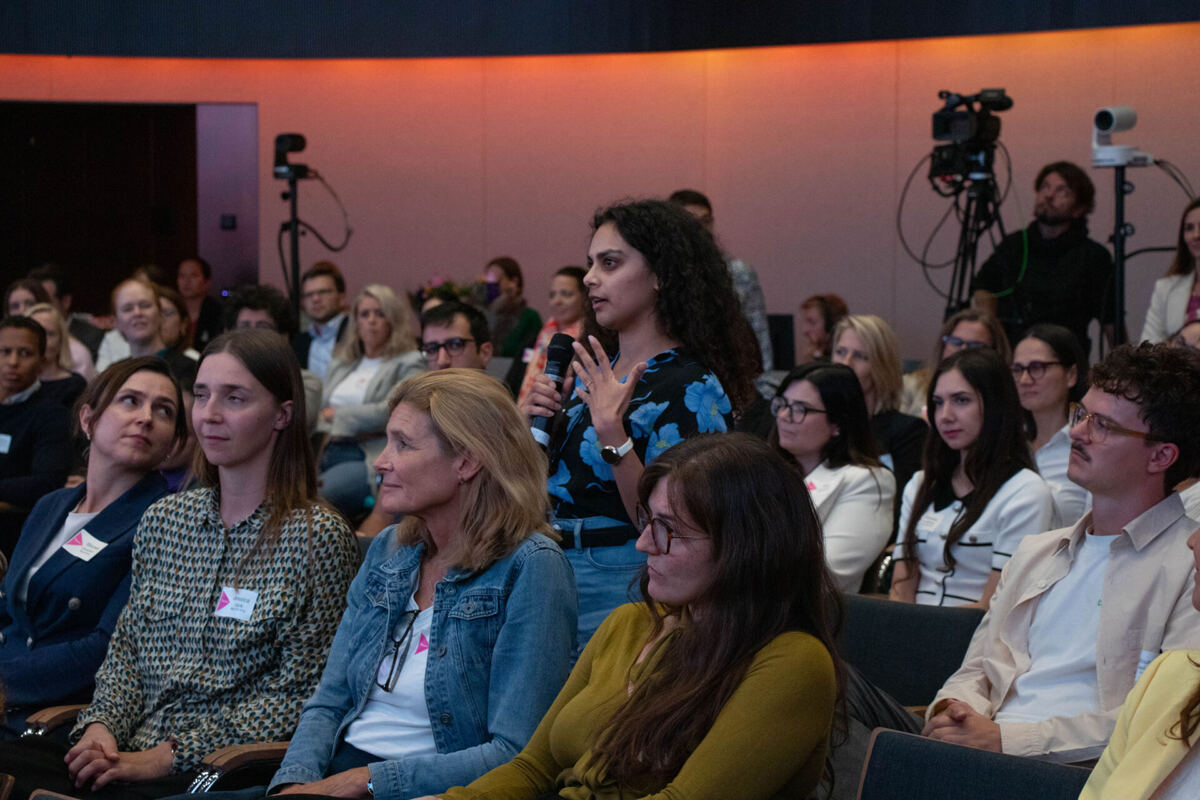
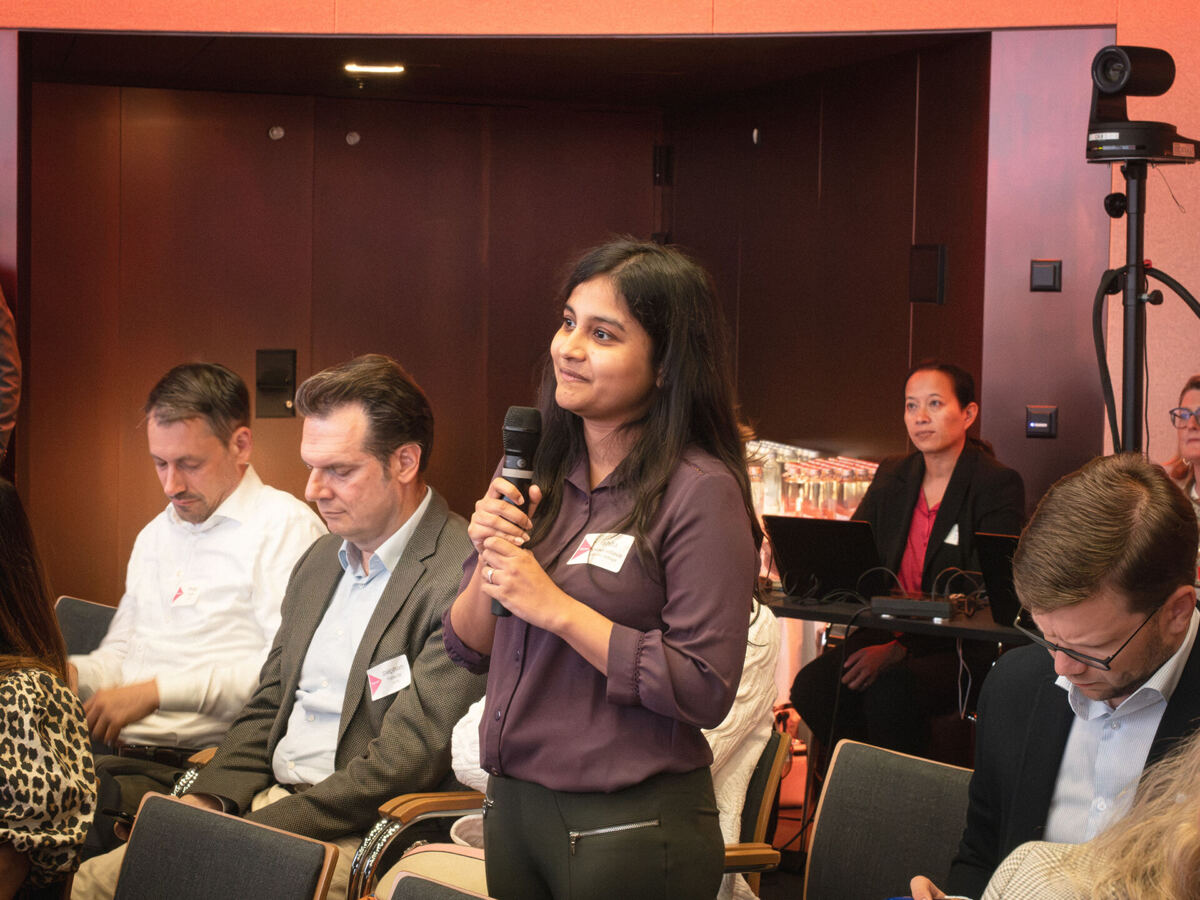
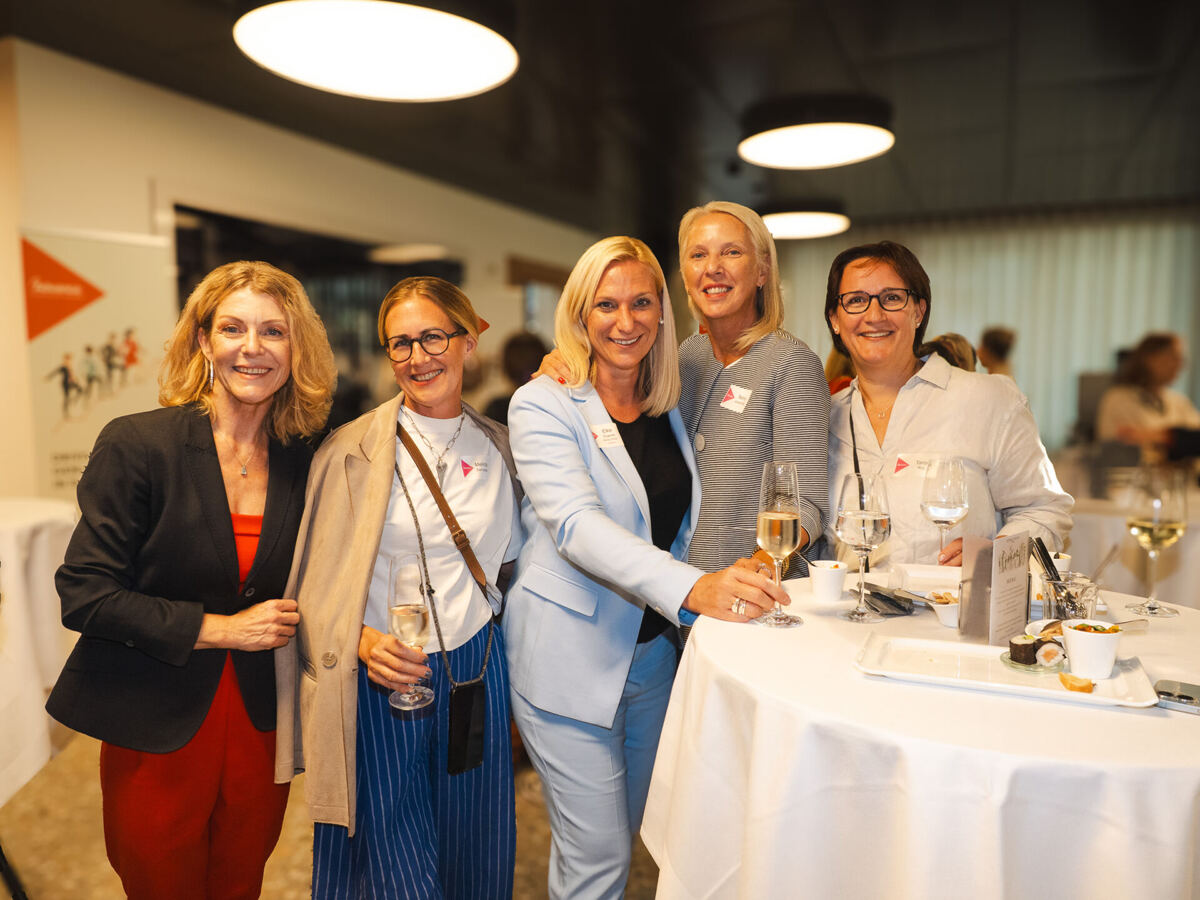
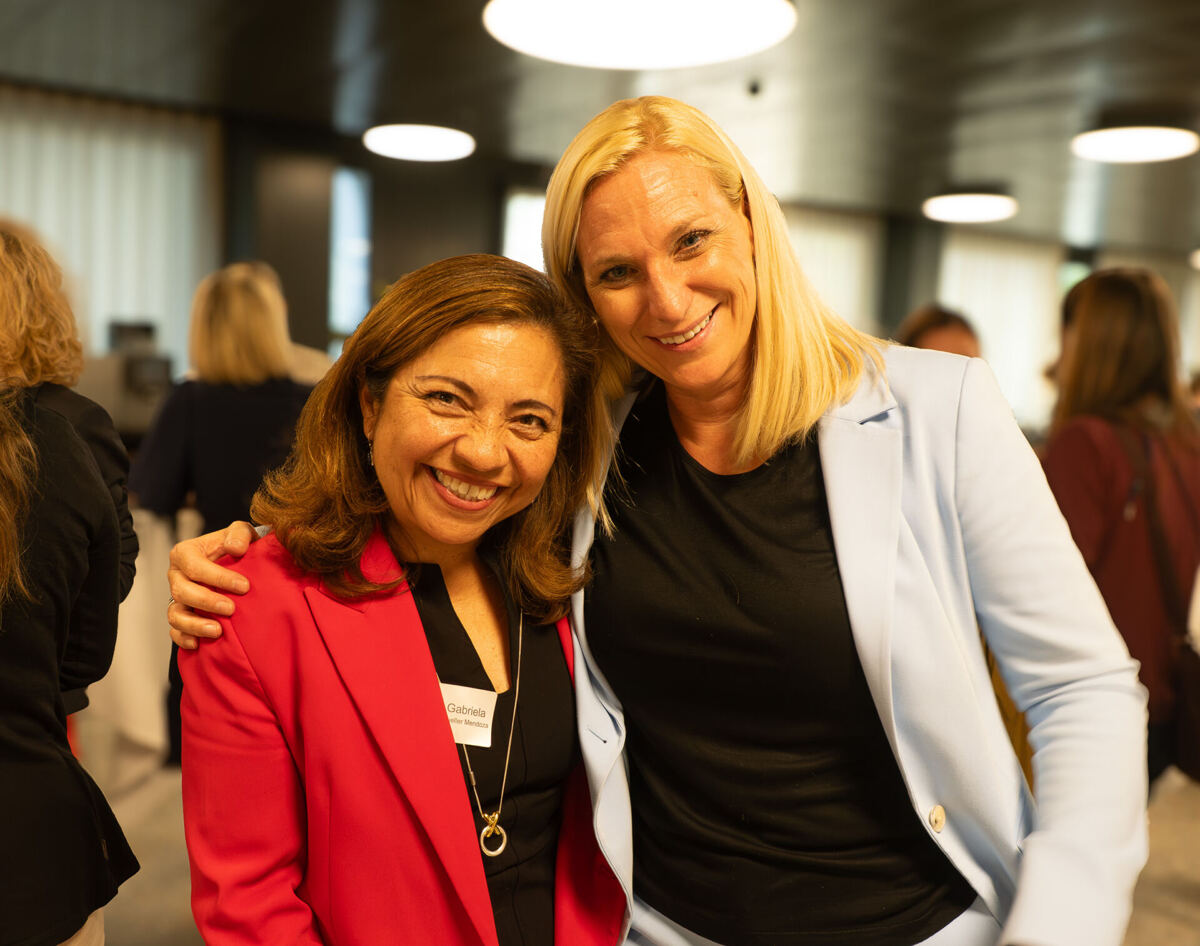
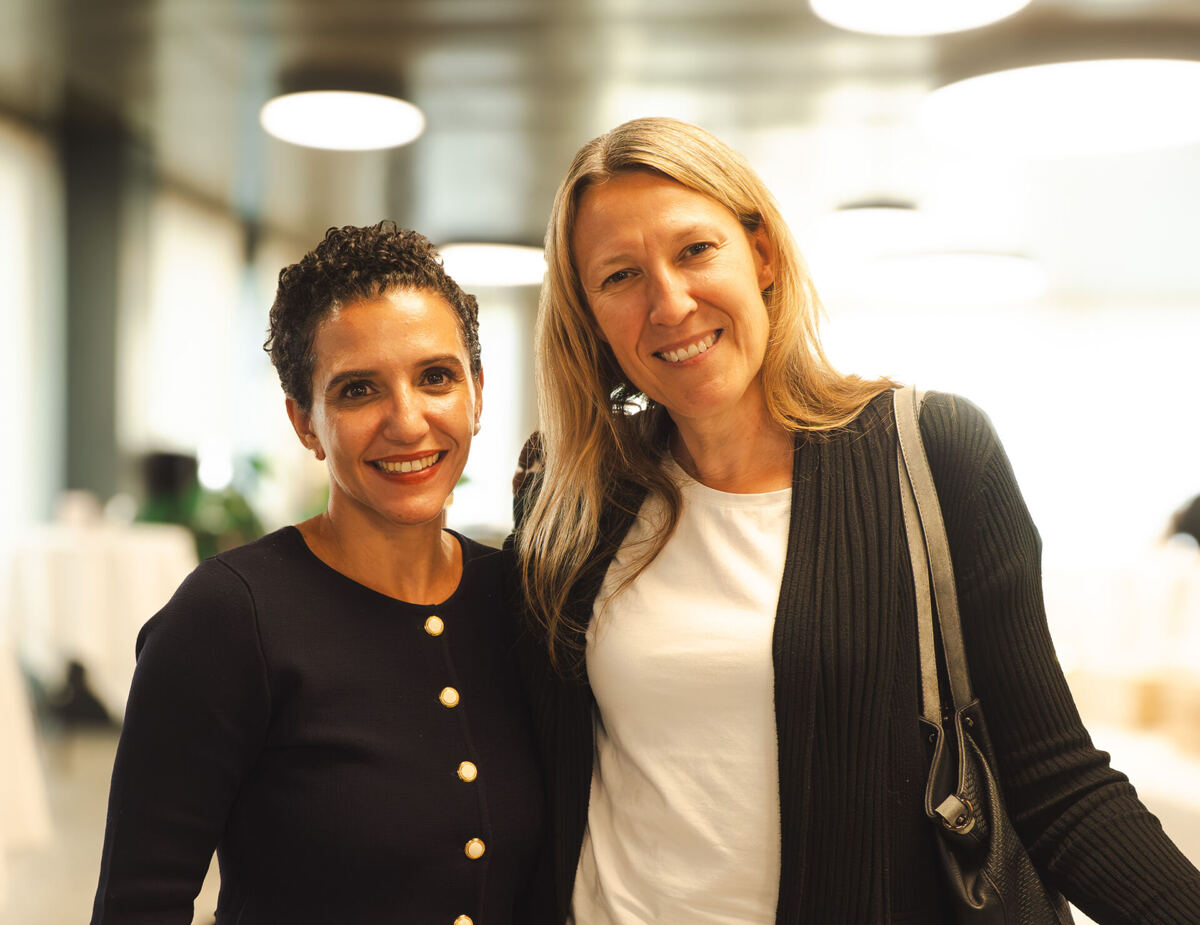
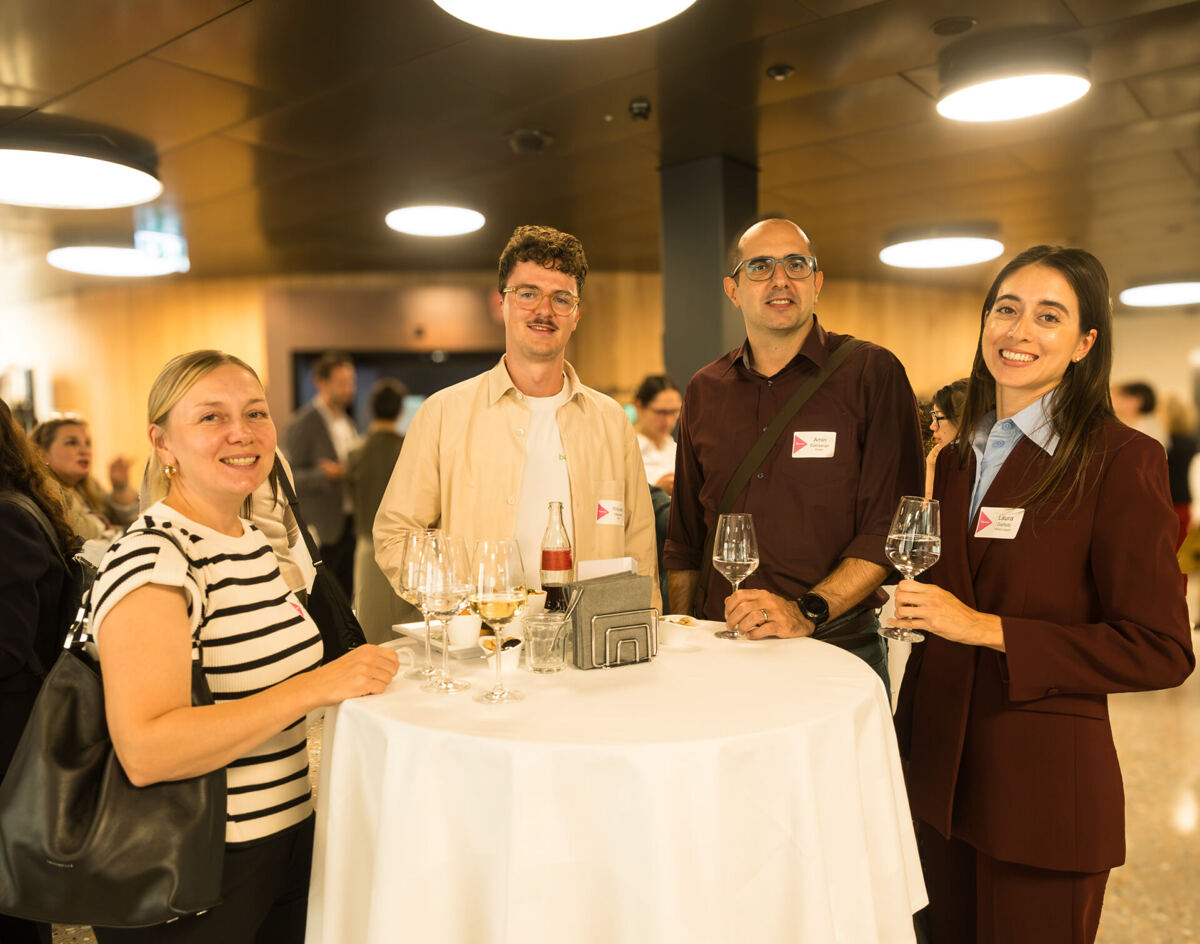
We launched our new Advance white paper this week, together with a highly engaged speaker lineup and audience: over 300 leaders and professionals joined on-site and online. The findings drive impact. As one of the Chief HR Officers interviewed for the white paper put it: "We had never thought about this question - this interview was a wake-up call for us." Did you miss this event? Watch the recording here:

AI transformation is the topic in every company right now. Jobs are being redesigned as we speak, and that shift will only accelerate over the coming months and years. This raises some hard questions:

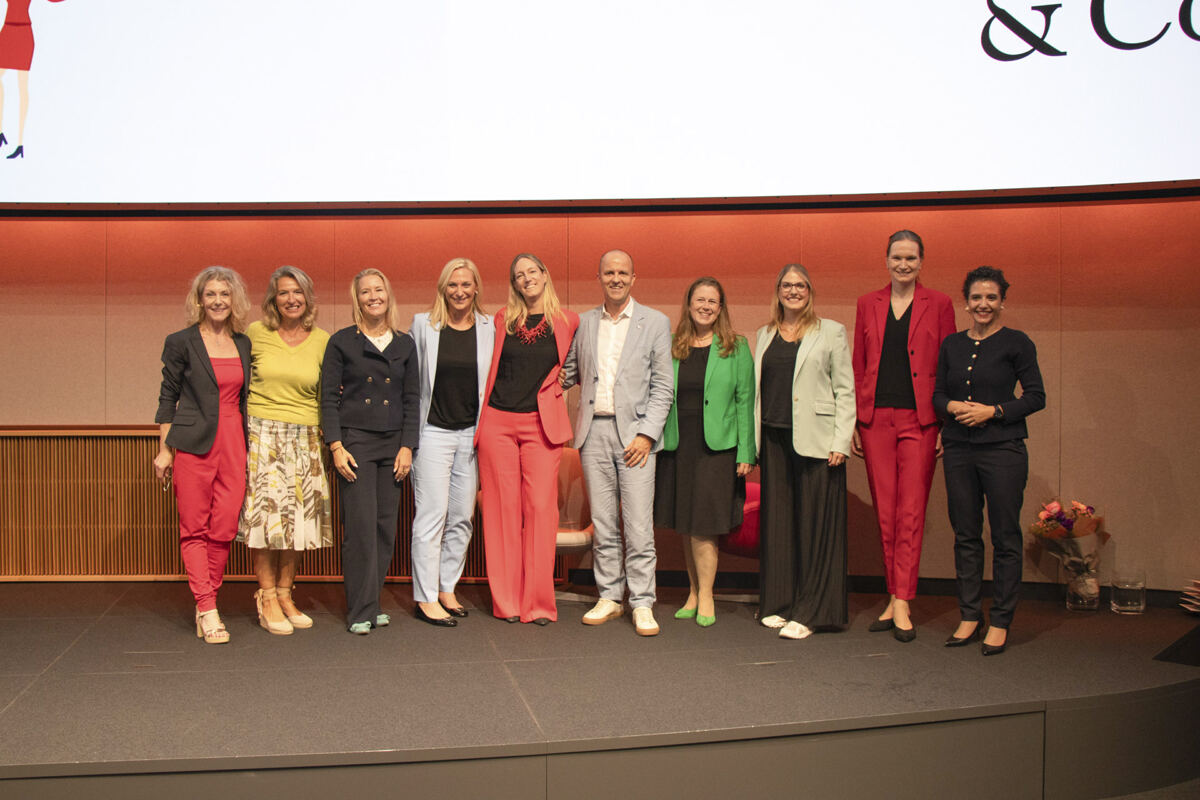
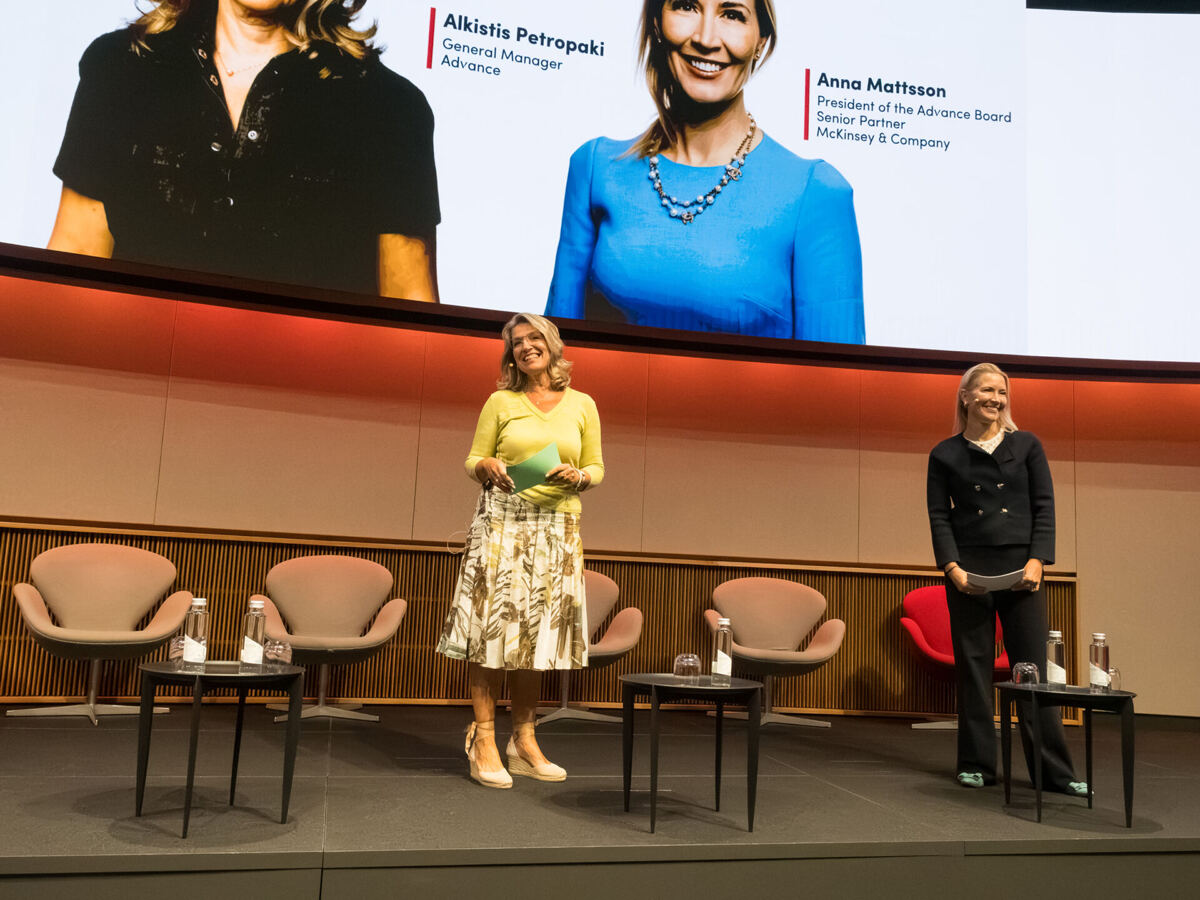
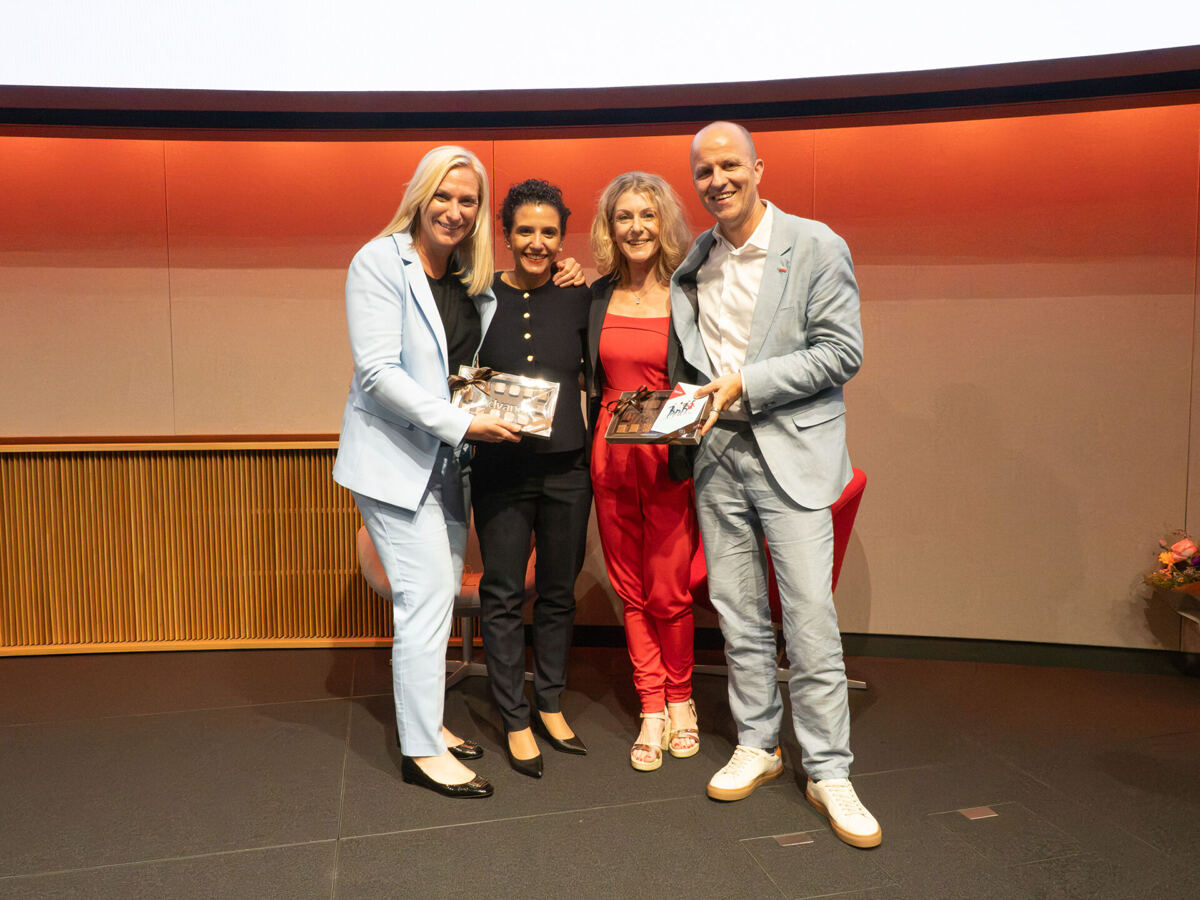
In her welcome note, Anna Mattsson, President of the Advance Board and Senior Partner at McKinsey & Company, joined Alkistis Petropaki, General Manager Advance, in making the stakes clear: "Women make up half of the available talent pool in our country. Every hour of qualified capacity we lose to a poorly designed work model is capacity and capability this economy does not have to spare."
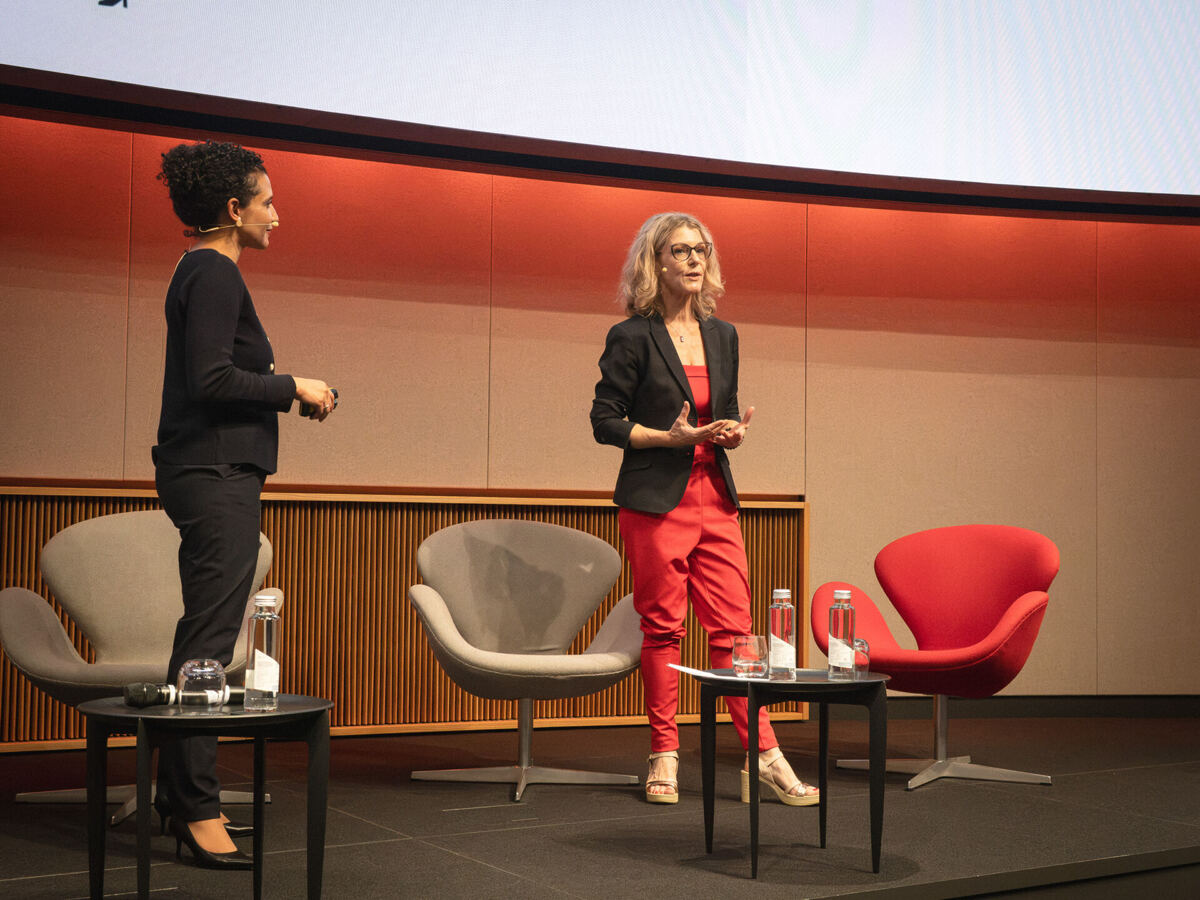
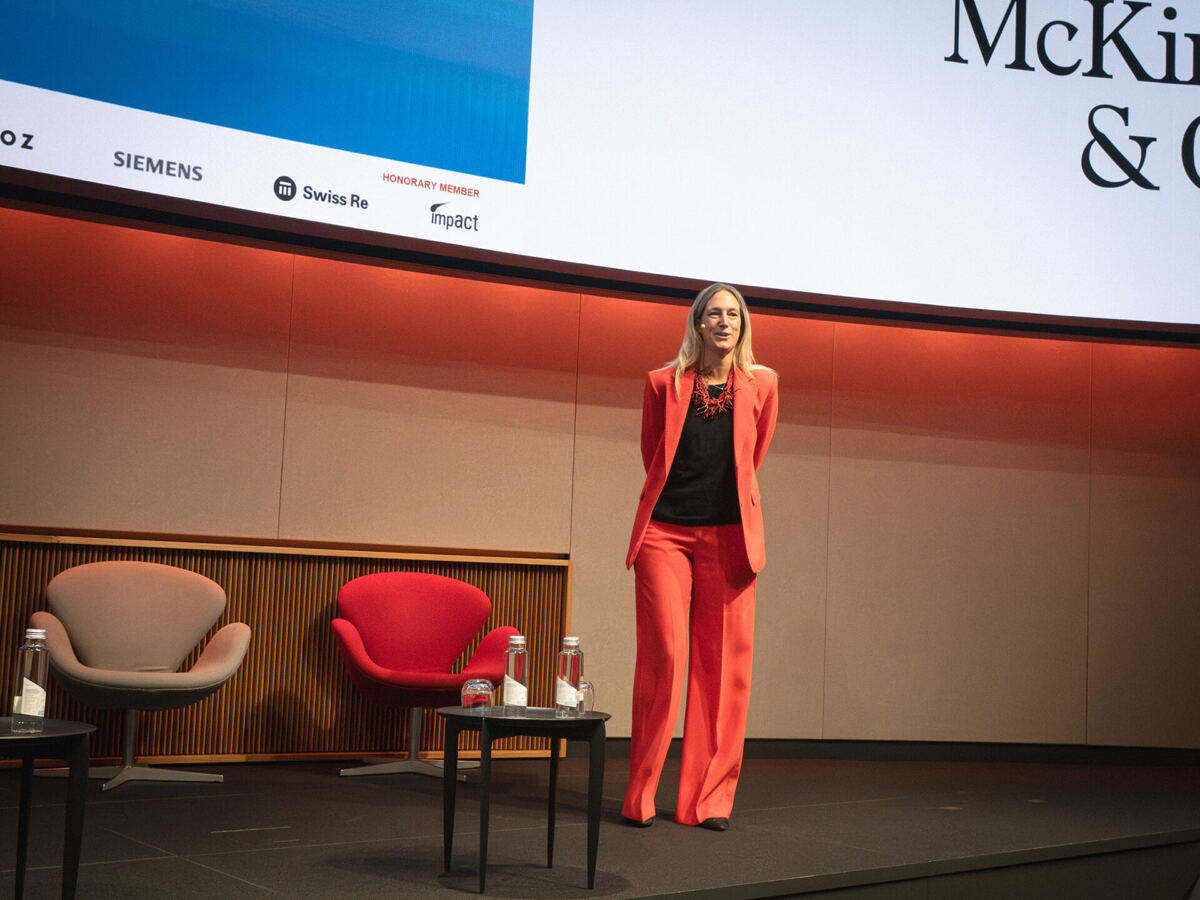
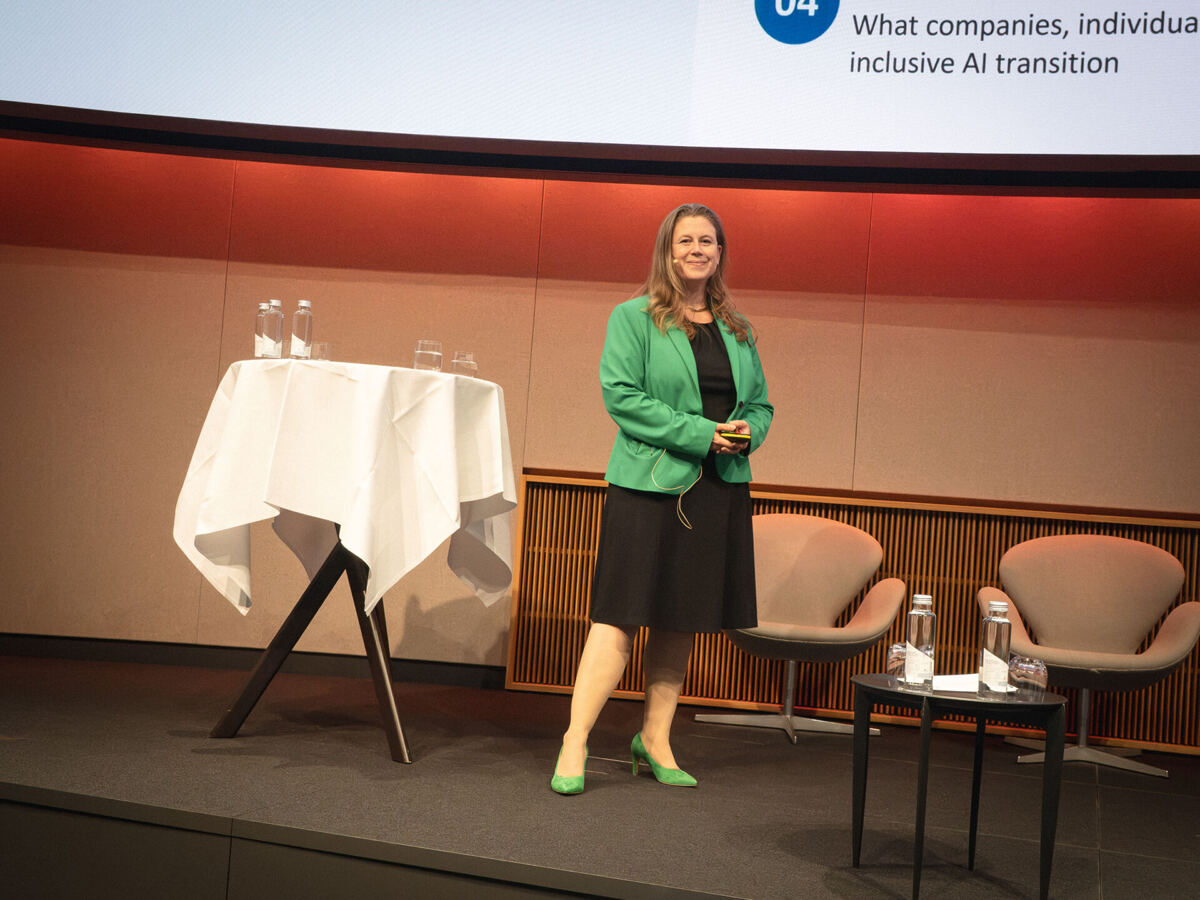
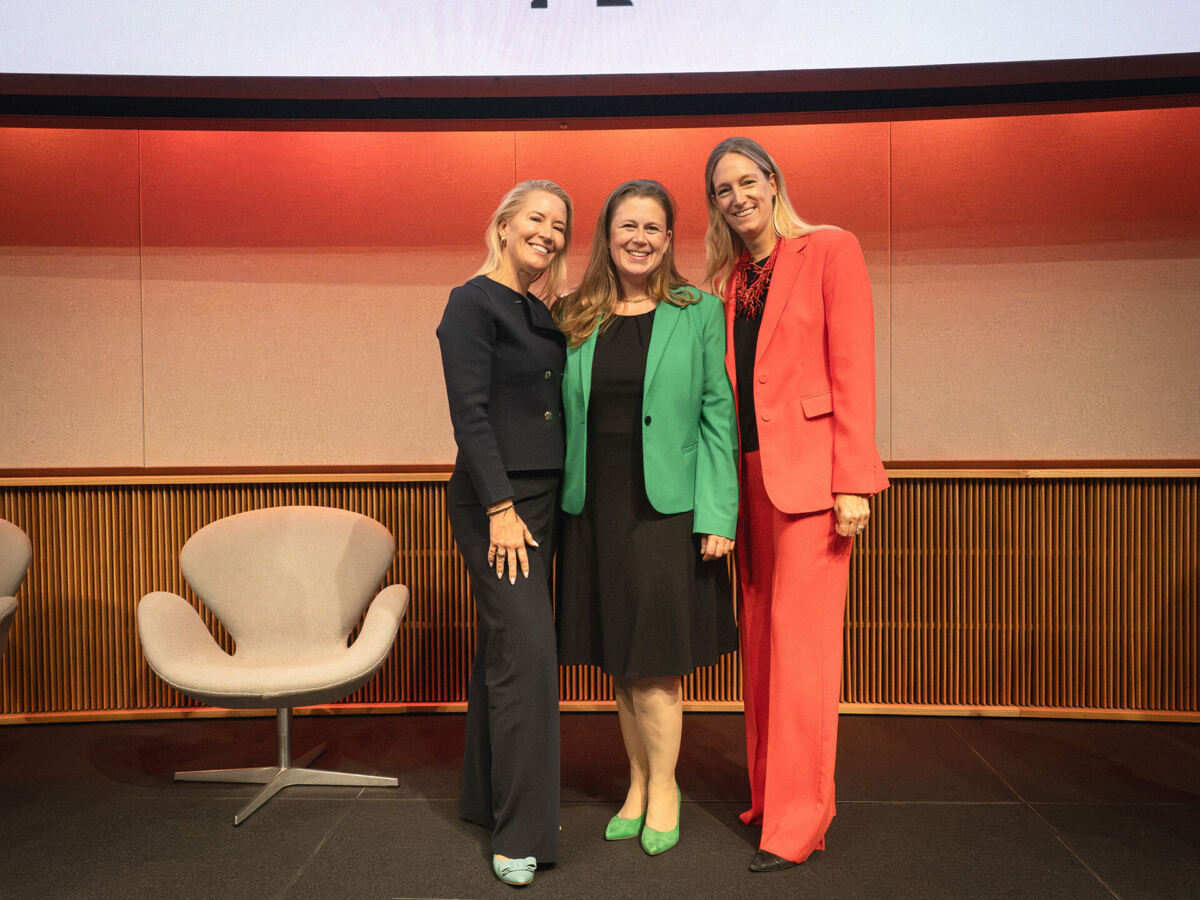
In a lively presentation, the authors of the white paper, Rosa Poetes and Nina Probst, both Partner at McKinsey & Company, presented the findings of their research. They shared the three structural asymmetries that shape how AI may affect women and men differently. None of these is predetermined – each is shaped by how we design work. Their conclusion: AI can be an equalizer - if we design the transition that way.
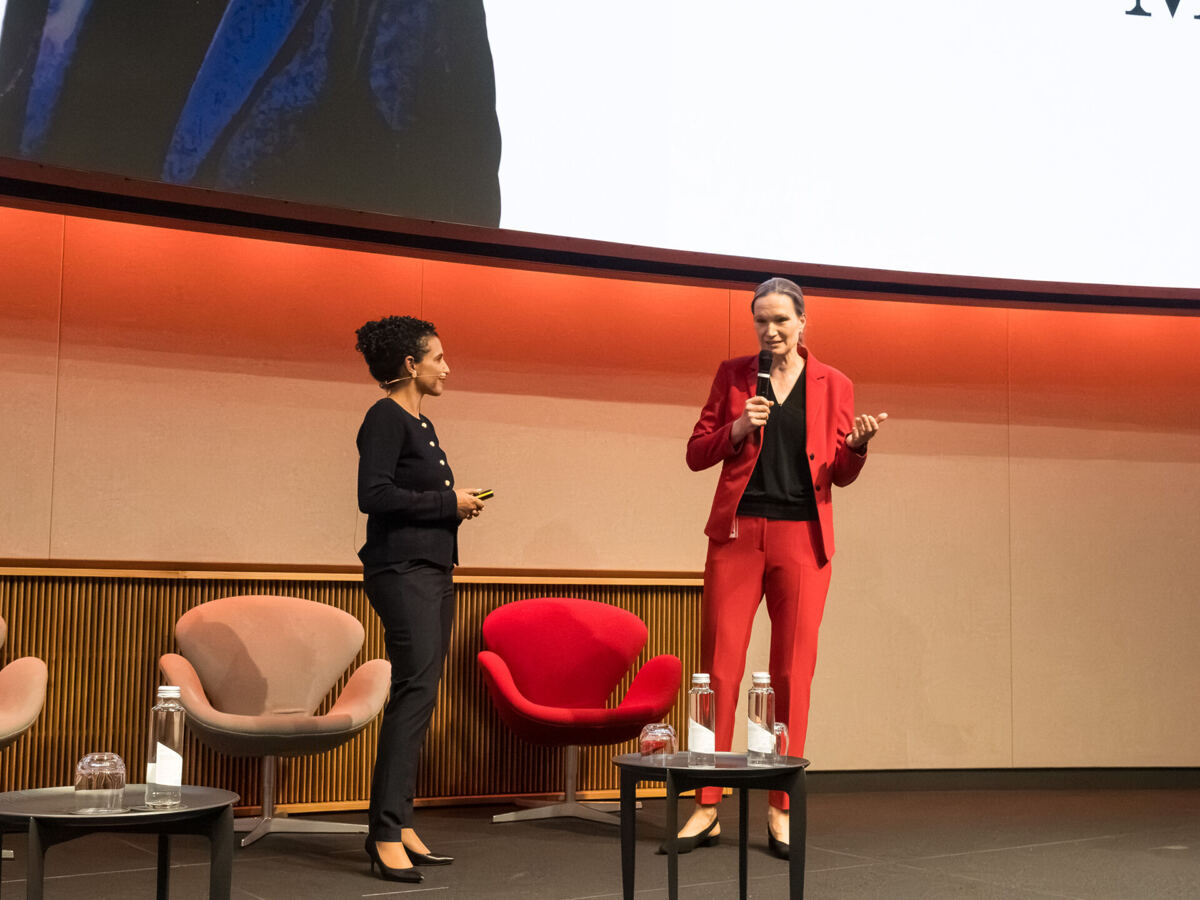
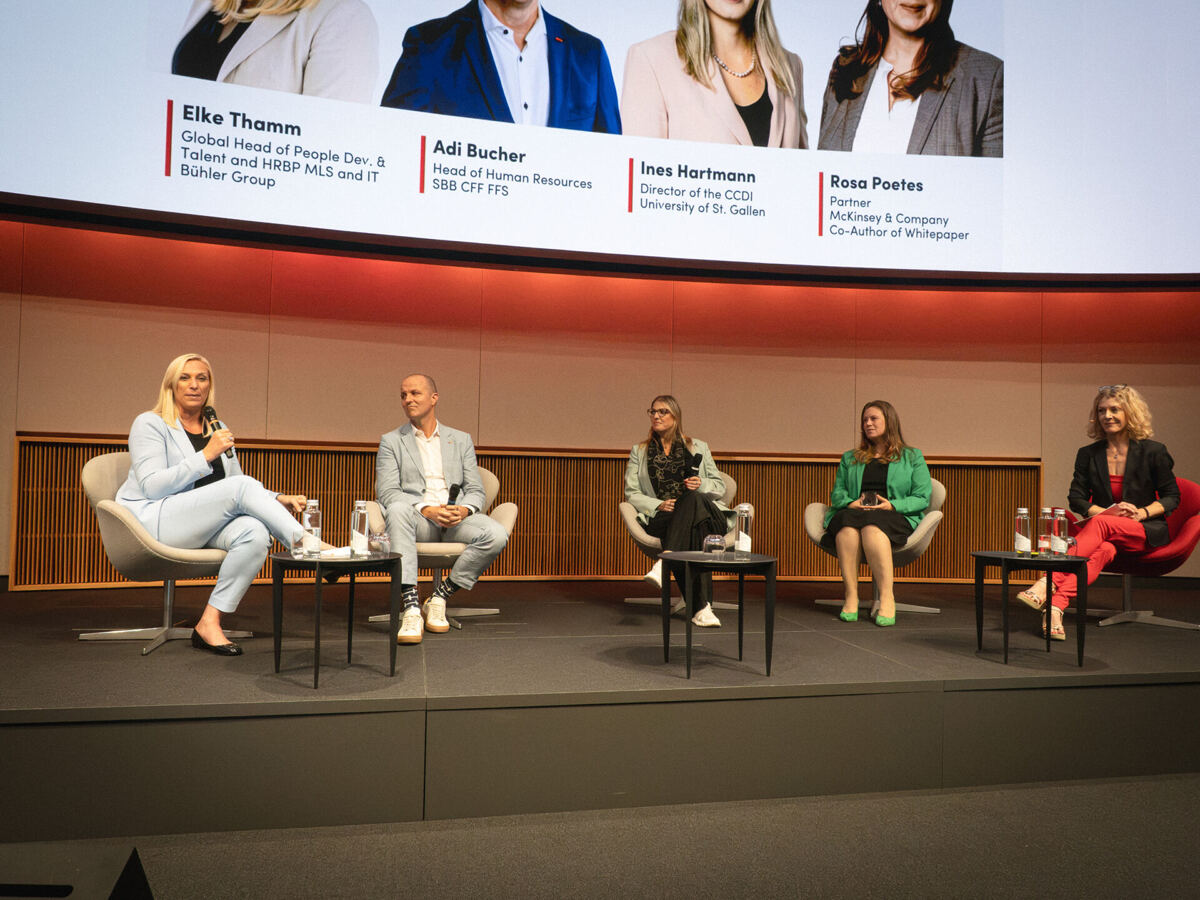
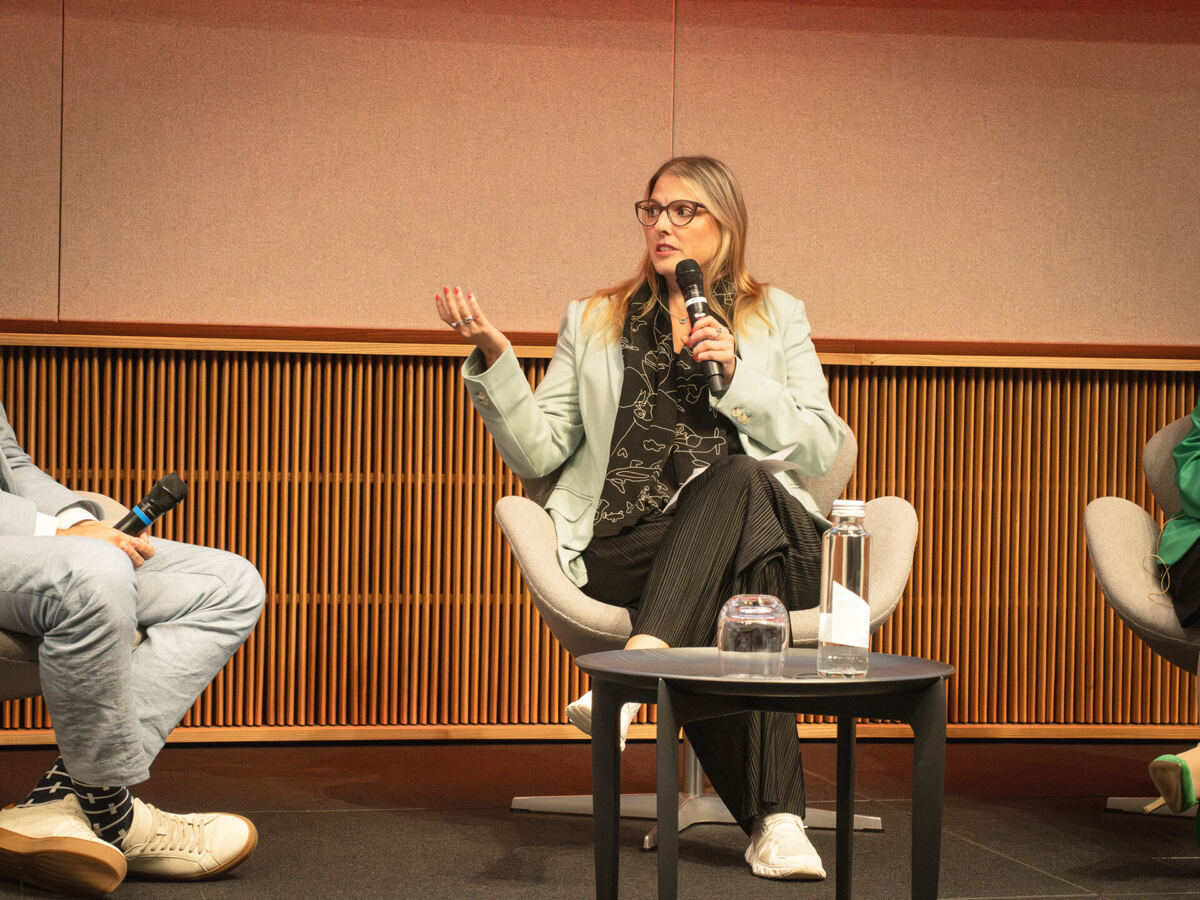
A high-calibre panel set out to discuss how the findings translate into the companies' reality: Elke Thamm, Global Head of People Development & Talent, Bühler, Adi Bucher, Head of Human Resources, SBB, Dr. Ines Hartmann, Director, Competence Center for Diversity, Disability, and Inclusion at the University of St. Gallen, and Rosa Poetes. One thing they agreed on unanimously: inclusive workplace culture and leadership are key drivers of AI adoption. The white paper's conclusion leaves little room for doubt: It's not the bots, nor gender itself — it's the jobs, the pathways, and the pipeline that are decisive. And this is something we can design by choice, and with intention.
Curious? Discover the latest white paper here, dive into the facts and figures, and find out what role you can play in narrowing the gender gap!
Huge thanks to Martin Lichtler from SIX and Sabrina Durante for capturing these valuable moments for us.